
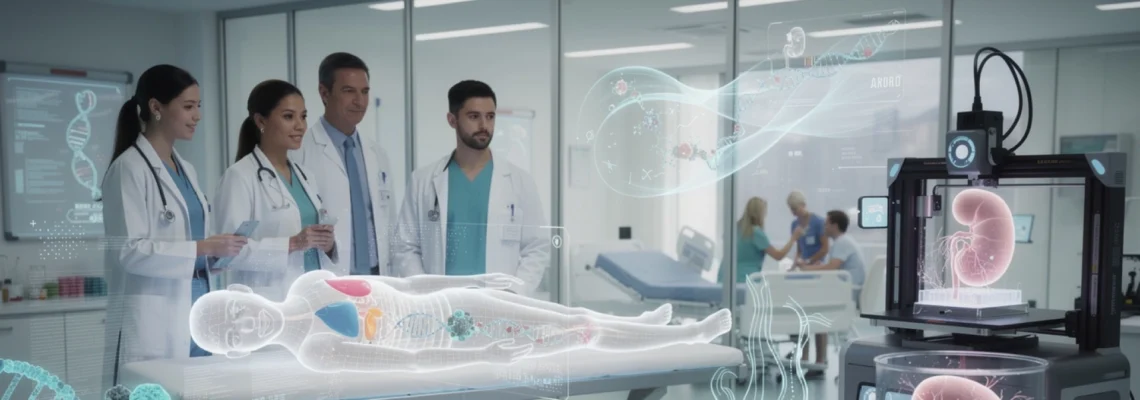
The landscape of modern medicine is undergoing a transformation unlike any witnessed in previous decades. Biotechnology has emerged as the driving force behind this revolution, fundamentally altering how diseases are diagnosed, treated, and prevented. From genetic editing technologies that correct mutations at the cellular level to messenger RNA platforms that enable rapid vaccine development, these innovations are delivering outcomes that were considered impossible just years ago. Patients with conditions once deemed incurable now have access to therapies that target the molecular origins of their diseases, offering not just symptom management but genuine restoration of health. This convergence of biology, technology, and clinical practice represents a paradigm shift in healthcare delivery, one that promises to redefine the boundaries of what medicine can achieve for you and millions of others worldwide.
Crispr-cas9 gene editing technology transforming genetic disease treatment
The advent of CRISPR-Cas9 gene editing has ushered in an era where the genetic code itself becomes a therapeutic target. This technology functions as molecular scissors, allowing scientists to precisely cut DNA at specific locations and either remove faulty sequences or insert corrective genetic material. The implications are profound: diseases caused by single gene mutations can now be addressed at their source rather than through lifelong symptom management. The CRISPR system leverages a naturally occurring bacterial defence mechanism, repurposing it for precise human genome modification with an accuracy that earlier gene editing tools like zinc finger nucleases could not match.
Clinical applications of CRISPR technology have expanded rapidly since its development in 2013. Research institutions globally are conducting trials targeting conditions from inherited blindness to blood disorders, with several therapies already receiving regulatory approval. The versatility of CRISPR stems from its programmable nature—by changing the guide RNA component, researchers can redirect the editing machinery to virtually any genetic location. This adaptability has accelerated therapeutic development timelines, compressing what once took decades into years. Current data suggests that CRISPR-based treatments could address approximately 6,000 known monogenic diseases, representing a potential patient population of over 300 million individuals worldwide.
Sickle cell disease clinical trials using base editing techniques
Sickle cell disease exemplifies how CRISPR technology translates into tangible patient benefits. This inherited blood disorder affects approximately 100,000 people in the United States alone and millions globally, predominantly in populations of African descent. The condition results from a single nucleotide mutation in the haemoglobin gene, causing red blood cells to assume a characteristic sickle shape that impairs oxygen delivery and causes severe pain crises. Base editing, a refined CRISPR variant, allows for the conversion of individual DNA letters without creating double-strand breaks, reducing the risk of unintended genetic changes.
Recent clinical trials have demonstrated remarkable success rates. In 2024, regulatory authorities approved exagamglogene autotemcel (exa-cel), a CRISPR-based therapy developed through collaboration between Vertex Pharmaceuticals and CRISPR Therapeutics. This treatment modifies patients’ own blood stem cells ex vivo before reinfusing them, effectively reactivating foetal haemoglobin production that compensates for the defective adult form. Trial participants have experienced elimination of painful vaso-occlusive crises, with some patients remaining crisis-free for over two years post-treatment. The therapy represents a functional cure rather than mere management, fundamentally changing the disease trajectory for individuals who previously faced lifelong complications including stroke, organ damage, and reduced life expectancy.
Duchenne muscular dystrophy exon skipping therapies
Duchenne muscular dystrophy (DMD) presents a different genetic challenge that biotechnology is addressing through exon skipping approaches. This progressive muscle-wasting disease affects approximately 1 in 3,500 male births and results from mutations in the dystrophin gene, which produces a protein essential for muscle fibre integrity. Without functional dystrophin, muscle cells deteriorate with use, leading to wheelchair dependence typically by the teenage years and significant reduction in life expectancy.
Exon skipping therapy utilises antisense oligonucleotides—short synthetic DNA or RNA molecules—that bind to specific regions of pre-messenger RNA. This binding causes the cellular machinery to “skip” over mut
over mutated exons during protein synthesis, restoring the reading frame and enabling production of a shorter but partially functional dystrophin protein.
Several exon skipping drugs have now reached the clinic. Therapies such as eteplirsen and golodirsen target specific exons within the dystrophin gene, applicable to subsets of patients whose mutations fall within defined regions. While these treatments do not constitute a complete cure, clinical studies show slowed decline in walking ability and delayed loss of ambulation. Emerging CRISPR-based exon editing approaches aim to take this concept further by permanently correcting dystrophin expression at the DNA level, potentially transforming DMD from a fatal childhood disorder into a manageable chronic condition.
CAR-T cell engineering for leukaemia and lymphoma patients
Chimeric antigen receptor T-cell (CAR-T) therapy illustrates how biotechnology can turn a patient’s own immune system into a living drug. In this approach, T-cells are collected from the patient, genetically engineered ex vivo to express a synthetic receptor that recognises a specific cancer antigen, expanded in culture, and then reinfused. Once back in the body, these modified cells actively seek out and destroy malignant cells bearing the target marker. The most widely used CAR-T therapies today target CD19, a protein found on many B-cell leukaemias and lymphomas.
Since the first approvals in 2017, CAR-T treatments such as tisagenlecleucel and axicabtagene ciloleucel have achieved complete remission rates of 40–80% in patients with otherwise refractory disease. For many families, this has meant a second chance after standard chemotherapy and stem cell transplant options failed. However, CAR-T is not without challenges: toxicities like cytokine release syndrome can be severe, and manufacturing remains complex and costly. New biotechnological innovations, including off-the-shelf allogeneic CAR-T cells and safety “kill switches”, are now being developed to make this powerful form of personalised cancer immunotherapy safer, faster, and more accessible.
Hereditary blindness correction through in vivo gene therapy
Inherited retinal diseases have long been considered irreversible causes of vision loss, but in vivo gene therapy is beginning to change that narrative. Conditions such as Leber congenital amaurosis (LCA) arise from mutations in genes critical for photoreceptor function, leading to severe early-onset blindness. Gene therapy strategies use engineered viral vectors—often adeno-associated virus (AAV)—to deliver a correct copy of the defective gene directly into retinal cells via subretinal injection. Once inside the cell nucleus, the therapeutic gene enables production of functional protein, restoring parts of the visual cycle.
The approval of voretigene neparvovec (Luxturna) for RPE65-mediated LCA marked a historic milestone as the first in vivo gene therapy for an inherited disease. Clinical trials showed significant improvements in functional vision, such as navigating low-light environments, that persisted for years after treatment. Ongoing research is extending this approach to other forms of hereditary blindness, including retinitis pigmentosa and X-linked retinoschisis, and even exploring CRISPR-based in vivo editing to directly correct pathogenic mutations. As these technologies mature, we move closer to a future where certain causes of genetic blindness can be treated with a single, sight-restoring procedure.
Monoclonal antibody development accelerating targeted cancer immunotherapy
Monoclonal antibodies (mAbs) have become a cornerstone of targeted cancer therapy, offering highly specific ways to disrupt tumour growth and harness the immune system. These laboratory-engineered molecules recognise particular antigens on cancer cells or immune checkpoints, acting much like precision-guided missiles compared with the “carpet bombing” of traditional chemotherapy. Biotechnology has streamlined the discovery, humanisation, and large-scale production of therapeutic antibodies, allowing dozens of mAbs to enter routine oncology practice.
The global market for monoclonal antibody therapies exceeded $210 billion in 2023, with oncology representing the largest share. Their success stems from three key properties: specificity for disease-associated targets, modifiable Fc regions that can engage immune effector functions, and flexible formats that can be re-engineered into conjugates or multispecific constructs. For patients, this often translates into better tumour control with fewer systemic side effects. As we’ll see, checkpoint inhibitors, HER2-targeted agents, and bispecific antibodies are reshaping how we think about cancer immunotherapy and personalised cancer treatment.
Pembrolizumab and nivolumab checkpoint inhibitor mechanisms
Immune checkpoint inhibitors such as pembrolizumab and nivolumab exemplify how monoclonal antibodies can “release the brakes” on the immune system. Under normal conditions, checkpoint proteins like PD-1 on T-cells help prevent autoimmunity by dampening immune responses. Many tumours exploit this system by expressing PD-L1, engaging PD-1 and shutting down T-cell activity within the tumour microenvironment. Pembrolizumab and nivolumab are humanised antibodies that bind PD-1, blocking its interaction with PD-L1 and PD-L2, thereby reactivating anti-tumour T-cell responses.
These drugs have transformed the prognosis for several advanced cancers—including melanoma, non-small cell lung cancer, and renal cell carcinoma—where five-year survival rates have doubled or more in some indications. For example, in metastatic melanoma, long-term follow-up shows that around one third of patients treated with PD-1 inhibitors achieve durable remissions that can last many years. Yet, not all patients benefit, and immune-related adverse events such as colitis or thyroiditis can occur due to systemic immune activation. This is why biomarker-driven selection, such as PD-L1 expression levels and tumour mutational burden, is increasingly important for optimising checkpoint inhibitor therapy.
Trastuzumab biosimilars for HER2-positive breast cancer
Trastuzumab revolutionised care for HER2-positive breast cancer by specifically targeting the HER2 receptor, which is overexpressed in about 15–20% of breast tumours and associated with aggressive disease. By binding to the extracellular domain of HER2, trastuzumab blocks proliferative signalling, promotes receptor internalisation, and recruits immune effector cells to mediate antibody-dependent cellular cytotoxicity. When combined with chemotherapy, it significantly improves overall survival and reduces recurrence risk. However, as a complex biologic, original trastuzumab was costly, limiting access in many health systems.
The advent of trastuzumab biosimilars—biotechnologically produced molecules highly similar to the reference product—has begun to change this landscape. Multiple biosimilars have now received regulatory approval after demonstrating comparable safety, efficacy, and immunogenicity in rigorous head-to-head trials. Widespread adoption of these biosimilars is projected to save healthcare systems billions of dollars over the next decade while expanding access to targeted therapy for HER2-positive breast and gastric cancer patients. For clinicians and patients, the key practical point is that switching from originator to biosimilar trastuzumab has not been associated with clinically meaningful differences in outcomes, offering a reliable way to reduce costs without compromising care.
Bispecific antibodies engaging t-cells against solid tumours
Bispecific antibodies represent the next generation of antibody engineering, designed to simultaneously bind two different targets. A prominent format, the bispecific T-cell engager (BiTE), links a tumour-associated antigen on cancer cells with CD3 on T-cells, physically bringing the two cell types together to trigger targeted cytotoxicity. This is somewhat like putting a “molecular handcuff” between the immune cell and the tumour, forcing contact and activation even when the native immune response is weak. The success of blinatumomab, a CD19×CD3 BiTE for acute lymphoblastic leukaemia, has sparked intense interest in adapting this strategy to solid tumours.
Developing bispecific antibodies for solid cancers is more complex due to heterogeneous antigen expression, dense tumour stroma, and immunosuppressive microenvironments. Nonetheless, multiple candidates targeting antigens such as HER2, EGFR, and PSMA are now in clinical trials. Early data show promising tumour shrinkage in heavily pre-treated patients, although on-target off-tumour toxicity and cytokine-related side effects remain important considerations. As engineering platforms improve, we can expect bispecific antibodies to be integrated into combination regimens with checkpoint inhibitors, CAR-T cells, or standard therapies, further expanding the toolbox of precision oncology.
Recombinant DNA technology enabling personalised insulin production
Recombinant DNA technology laid the foundation for modern biotechnology and continues to impact everyday clinical practice, particularly in diabetes care. Before recombinant human insulin became available in the early 1980s, patients relied on insulin extracted from the pancreases of pigs and cattle. While lifesaving, these animal-derived insulins could provoke immune reactions and varied in purity. Recombinant DNA methods allowed scientists to insert the human insulin gene into Escherichia coli or yeast, turning these microorganisms into efficient biofactories producing biosynthetic human insulin at scale.
Today, recombinant technology supports an entire ecosystem of insulin analogues tailored to different patient needs, from ultra-rapid acting formulations for mealtime control to long-acting basal insulins lasting up to 24–48 hours. Ongoing advances are pushing towards increasingly personalised insulin production, including closed-loop systems that pair continuous glucose monitoring with algorithm-driven insulin delivery. Experimental approaches even explore patient-specific insulin variants and islet cell replacement derived from stem cells. For people living with diabetes, this means tighter glucose control, fewer hypoglycaemic episodes, and greater flexibility in daily life—concrete examples of how biotechnology is transforming chronic disease management.
Mrna vaccine platforms reshaping infectious disease prevention
Messenger RNA (mRNA) vaccine platforms have moved from experimental concept to frontline public health tool in record time. Unlike traditional vaccines that use inactivated pathogens or protein subunits, mRNA vaccines deliver a genetic blueprint instructing cells to produce a viral antigen, which then triggers an immune response. This modular design makes mRNA platforms remarkably adaptable: changing the antigen is analogous to updating software code, allowing rapid redesign in response to emerging pathogens or variants.
The COVID-19 pandemic showcased the full potential of this biotechnology revolution. With sequencing data for SARS-CoV-2 available in January 2020, developers were able to design, manufacture, and begin testing mRNA vaccine candidates within weeks. The success of these vaccines has catalysed a wave of investment into mRNA-based prevention and treatment strategies for a wide range of infectious and non-infectious diseases, from influenza and RSV to cancer neoantigen vaccines. As manufacturing capacity scales and costs fall, mRNA platforms are poised to become a central pillar of global vaccine strategies.
Pfizer-biontech and moderna COVID-19 vaccine development timelines
The development timelines for the Pfizer-BioNTech and Moderna COVID-19 vaccines are often cited as unprecedented in medical history. Traditional vaccine development can span 10–15 years from concept to approval, yet these mRNA vaccines reached emergency authorisation in under 12 months. How was this possible without compromising safety? The answer lies in decades of prior research into RNA chemistry, lipid nanoparticles, and coronavirus biology, coupled with overlapping rather than sequential clinical trial phases and substantial public funding.
BioNTech designed its initial SARS-CoV-2 spike protein mRNA construct within days of the viral genome being published, with first-in-human trials starting by April 2020. Moderna followed a similarly accelerated path, dosing its first trial participant just 66 days after sequence release. Phase III trials enrolled tens of thousands of volunteers, allowing robust assessment of safety and efficacy in diverse populations. The resulting vaccines demonstrated around 94–95% efficacy against symptomatic COVID-19 in the initial studies, a performance that not only altered the course of the pandemic but also validated mRNA as a powerful, flexible vaccine platform for future outbreaks.
Lipid nanoparticle delivery systems for mRNA stability
One of the main hurdles for mRNA therapeutics is the inherent instability and fragility of RNA molecules, which are quickly degraded by enzymes in the body. Lipid nanoparticle (LNP) delivery systems solve this problem by encapsulating the mRNA in a protective, biocompatible shell. These nanoscale vesicles shield the mRNA from degradation, facilitate cellular uptake, and promote efficient release of the genetic payload into the cytoplasm where translation occurs. You can think of LNPs as carefully engineered “envelopes” that deliver a message into the cell without being torn apart on the way.
Modern LNP formulations typically include ionisable lipids, cholesterol, phospholipids, and PEGylated lipids, each component tuned to optimise stability, biodistribution, and tolerability. Fine-tuning these formulations has been critical for balancing potency with safety, as overly inflammatory lipids can cause significant injection-site or systemic reactions. Current research focuses on developing organ-targeted LNPs, improving thermostability to ease cold-chain requirements, and reducing rare allergic responses. As delivery technologies improve, they will broaden the range of diseases that mRNA vaccines and therapeutics can address, from infectious threats to genetic and metabolic disorders.
Universal influenza vaccine research using messenger RNA
Seasonal influenza remains a major global health burden, in part because the virus mutates rapidly and current vaccines must be reformulated each year based on prediction models. A universal influenza vaccine—one that provides broad, long-lasting protection against many strains—has long been a goal in vaccinology. mRNA technology offers new strategies to pursue this objective by enabling multivalent vaccines that encode conserved viral regions less prone to mutation, such as the haemagglutinin (HA) stalk domain.
Several mRNA-based universal flu candidates are in early-phase clinical trials, testing combinations of antigens from multiple influenza subtypes. Preclinical studies show that these vaccines can elicit broadly neutralising antibodies and cross-reactive T-cell responses, providing protection against diverse strains in animal models. If successful in humans, such a vaccine could dramatically reduce the annual toll of influenza and simplify public health vaccination campaigns. For patients, this would mean fewer missed workdays, fewer hospitalisations, and reduced risk of severe complications, especially among older adults and those with chronic conditions.
Malaria and HIV mRNA vaccine clinical pipeline
Beyond respiratory viruses, mRNA platforms are being deployed against some of the most challenging infectious diseases, including malaria and HIV. Both pathogens have eluded highly effective vaccines for decades due to their complex life cycles, antigenic variability, and sophisticated immune evasion strategies. mRNA allows researchers to quickly test different antigen designs and combinations, such as conserved regions of HIV envelope proteins or malaria sporozoite and blood-stage antigens, in a modular and iterative fashion.
Several early-stage trials are evaluating mRNA malaria vaccines that could potentially complement or surpass existing protein-based candidates by inducing more potent cellular and humoral responses. For HIV, mRNA is being used to deliver sequential immunogens designed to guide the immune system toward producing broadly neutralising antibodies—a stepwise approach that would have been extremely cumbersome with traditional platforms. While it is too early to know whether these efforts will achieve the long-sought goal of highly protective malaria and HIV vaccines, the flexibility and speed of mRNA technology provide reasons for cautious optimism.
Pharmacogenomics optimising drug metabolism and dosing protocols
Pharmacogenomics sits at the intersection of genetics and pharmacology, aiming to tailor drug therapy based on an individual’s genetic profile. Many of the enzymes that metabolise medications—such as CYP450 family members—exhibit significant genetic variation between individuals and populations. These differences can influence how quickly a person clears a drug, how strongly they respond, or whether they are at increased risk of adverse effects. Instead of relying on population averages, pharmacogenomic testing helps clinicians choose the right drug at the right dose for each patient.
Clinical implementation is already underway in areas such as oncology, cardiology, and psychiatry. For example, genotyping for CYP2C19 can guide antiplatelet therapy selection after stent placement, and testing for DPYD variants can prevent severe toxicity from certain chemotherapy agents. As comprehensive genomic profiling becomes faster and more affordable, we can envision a future where pharmacogenomic data are embedded in electronic health records, automatically flagging drug–gene interactions at the point of prescribing. For you as a patient, this means fewer “trial and error” medication changes, reduced risk of serious side effects, and more predictable treatment outcomes.
3D bioprinting of living tissues for organ transplantation
3D bioprinting applies additive manufacturing principles to living cells and biomaterials, with the ambitious goal of constructing functional tissues and, ultimately, transplantable organs. Using computer-aided design, specialised printers deposit bioinks—mixtures of cells, growth factors, and supportive hydrogels—in intricate patterns that mimic native tissue architecture. Layer by layer, this process can create complex, patient-specific structures ranging from simple cartilage patches to early prototypes of heart valves and mini-organs. For the millions of people worldwide waiting for organ transplants, 3D bioprinting holds the promise of expanding supply and reducing dependence on donor organs.
While fully functional, vascularised organs for clinical transplantation remain a long-term goal, significant progress has occurred in regenerative medicine applications. Bioprinted skin grafts, bone scaffolds, and cartilage implants are moving through preclinical and early clinical testing. In parallel, organ-on-a-chip and microtissue constructs produced by bioprinting are revolutionising drug testing by providing human-relevant models that reduce reliance on animal studies. To understand how close we are to printed kidneys, livers, or hearts, we need to look more closely at technologies like decellularised scaffolds, stem cell–derived hepatocytes, and the persistent challenge of vascularisation.
Decellularised scaffold technology for kidney regeneration
Decellularised scaffold technology offers a hybrid approach between traditional transplantation and fully de novo bioprinting. In this technique, an existing organ—often from an animal donor—is treated with detergents and enzymes to remove all cellular material, leaving behind an extracellular matrix scaffold that retains the organ’s 3D architecture and vascular network. This “ghost organ” can then be repopulated with human cells, such as renal progenitors and endothelial cells, with the aim of creating a functional, immunologically compatible graft.
In kidney regeneration research, decellularised rat and pig kidneys have been successfully recellularised and perfused in experimental models, demonstrating basic filtration and urine production. Although these constructs are not yet ready for human implantation, they prove the concept that we can reuse nature’s blueprint as a template for organ engineering. Future strategies may combine decellularised scaffolds with 3D bioprinting to patch or reinforce regions, as well as gene-edited animal donors to minimise rejection. For patients with end-stage renal disease, such advances could eventually offer an alternative to lifelong dialysis or scarce human donor kidneys.
Stem cell-derived hepatocytes for liver tissue engineering
The liver’s remarkable regenerative capacity makes it an attractive target for tissue engineering, but sourcing sufficient functional hepatocytes has been a major bottleneck. Biotechnology is addressing this challenge by differentiating pluripotent stem cells—either embryonic stem cells or induced pluripotent stem cells (iPSCs)—into hepatocyte-like cells. These stem cell-derived hepatocytes can be incorporated into 3D bioprinted constructs or seeded onto scaffolds to create liver tissue patches capable of performing essential functions such as albumin secretion and drug metabolism.
Preclinical studies have shown that implanting such engineered liver tissues into animal models of liver failure can improve survival and biochemical markers, serving as a “bridge” to transplant or, in some cases, partial functional replacement. Looking ahead, patient-specific iPSC-derived hepatocytes could enable autologous grafts with minimal rejection risk, while also providing powerful in vitro models for studying liver disease and testing new drugs. Although we are not yet at the point of printing a full-sized human liver ready for orthotopic transplantation, these incremental steps demonstrate how biotechnology is steadily closing the gap.
Vascularisation challenges in bioprinted cardiac tissue
Among all organs, the heart presents one of the toughest challenges for bioprinting because cardiac tissue is highly metabolically active and depends on an intricate network of blood vessels. Without adequate vascularisation, thick bioprinted constructs quickly become necrotic at their core, much like a city block without roads or utilities. Researchers are tackling this problem using several complementary strategies: co-printing endothelial cells to form microvascular channels, incorporating angiogenic growth factors, and designing sacrificial materials that can be removed post-printing to create perfusable networks.
Early prototypes of bioprinted cardiac patches containing cardiomyocytes and endothelial cells have shown the ability to contract synchronously and integrate partially with host tissue in small animal models. However, scaling these constructs to clinically relevant sizes and ensuring stable, functional blood supply remain open research questions. Overcoming the vascularisation barrier will not only advance cardiac tissue engineering but also accelerate progress toward other complex, thick tissues. For patients with heart failure or post-infarct scarring, even partial success in this area could one day translate into implantable patches that restore contractile function and improve quality of life.